EVENT THIS WEDNESDAY! REGISTER TODAY FOR 'OWNING YOUR OWN BRAND' WITH SHEILA RONDEAU!

Proudly Serving Texas Since 1988
Relationships. Resources. Results.
Welcome to Success North Dallas
Welcome to where ambition meets fulfilment, where success isn't just wealth, it's about meaningful daily connections. At Success North Dallas, we're not about reinventing the wheel. Who has the time? We're here to smooth out the journey, one genuine interaction at a time.
The Value Of Our Membership
Our members join not just to grow but to be part of a success story that values contributions, connections, and the pursuit of excellence. With these pillars, we're more than building networks; we're nurturing a community ready to make a significant impact.

Servant Leadership and Weaving Networks
Network with high-achievers to open doors to endless opportunities through collaboration and insight sharing.
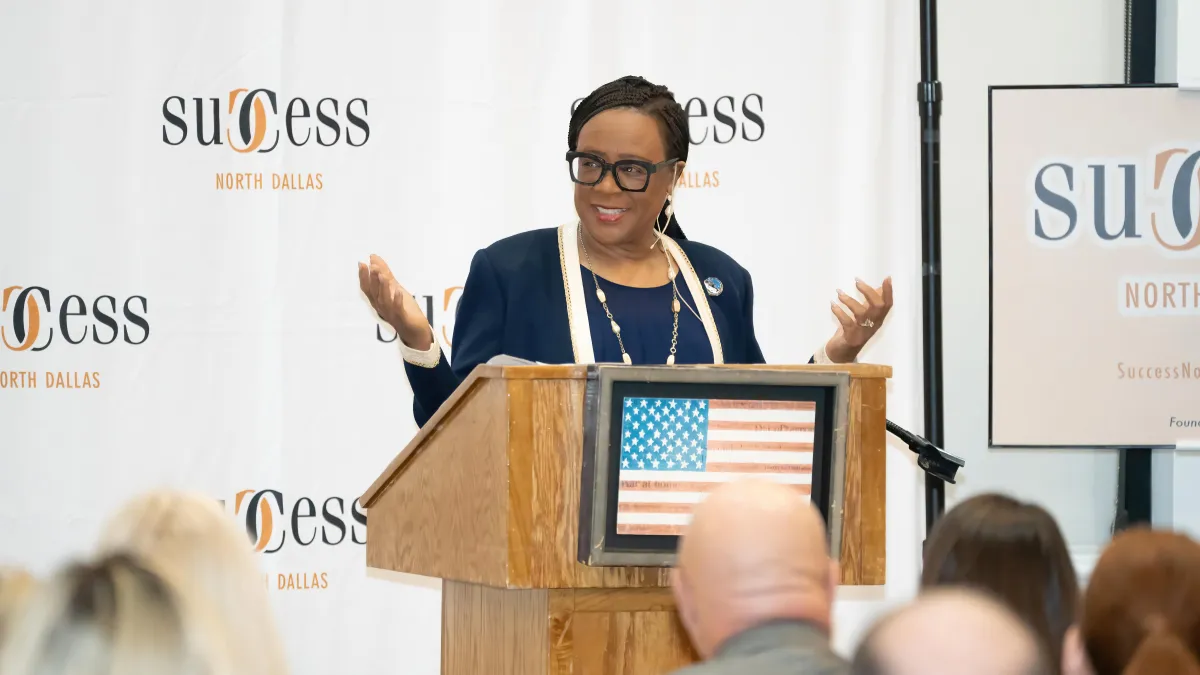
Inspiration from Exceptional Speakers
Every third Wednesday, events with top speakers inspire growth, broaden perspectives, and ignite ambition.
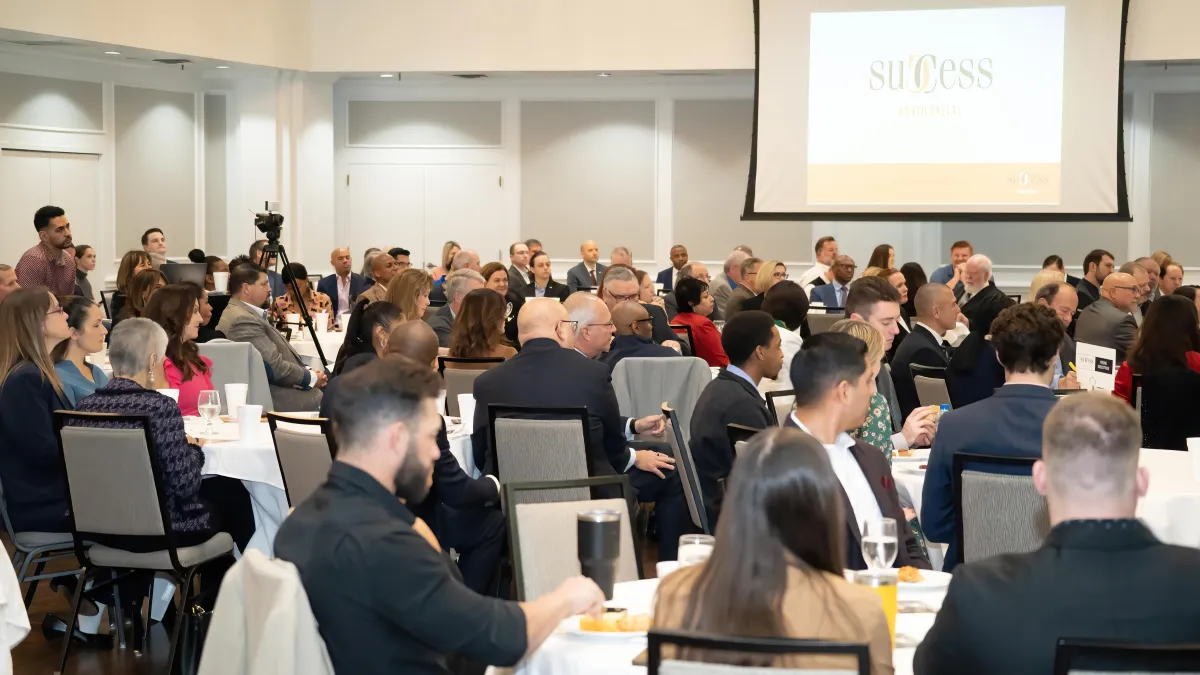
Connecting with High-Achieving Professionals
Be part of a community where servant leadership and mutual growth uplift everyone's success.
join us at our next event!
Join us at our next event for an exciting opportunity to connect with, learn from, and grow alongside the leaders who are shaping the future. This is your chance to network with industry innovators, gain insights into cutting-edge trends, and take part in discussions that will inspire your own journey towards making an impact. Don't miss out on this transformative experience!
About Success North Dallas
Our Mission Guiding Businesses Towards Success
Imagine a place where CEOs and emerging entrepreneurs, along with professionals of all kinds, come together to push forward and grow. That's us – a dynamic community not defined by job titles but by our shared goal of success, judged by the only standard that counts: our own.
Our members range from top executives to ambitious startup founders, creating a blend of ideas, ambitions, and most importantly, practical support. If you believe true success is about what you contribute, not just what you gain, you've captured the essence that fuels Success North Dallas
Membership spans from C-suite leaders to ambitious startup owners.
A melting pot of ideas, ambitions, and actionable goodwill.
A belief that success is more about giving than receiving.
We Stand By Our Motto
"Connecting the right people, for the right reasons, at the right time, since 1988."

Our Mission & Values
Embracing The Power of Servant Leadership and Community
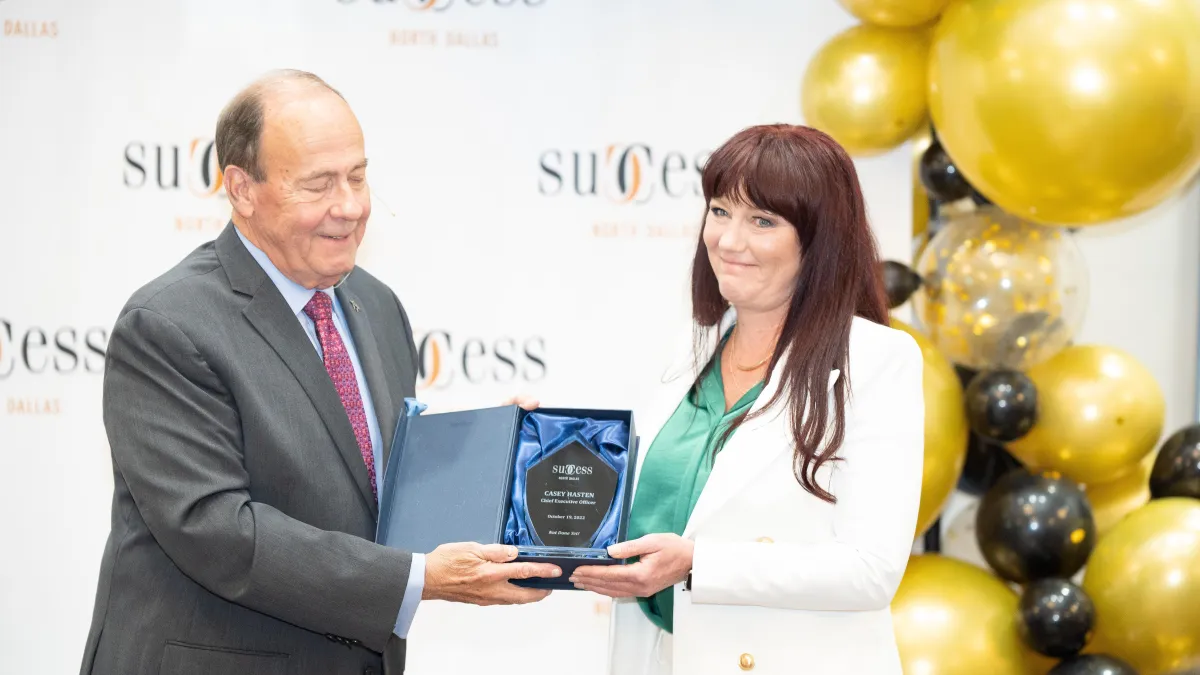
"If you can't feed a hundred people, then just feed one," Mother Teresa once said, a sentiment that threads through our every gathering, chat, and handshake, virtual or otherwise. Led by the indomitable spirits of CEO, Casey Hasten and COO, Andrew Reed, we thrive on servant leadership and a crystal-clear give-first mentality. Why? Because making a difference, however minimal it appears, adds up to the monumental.
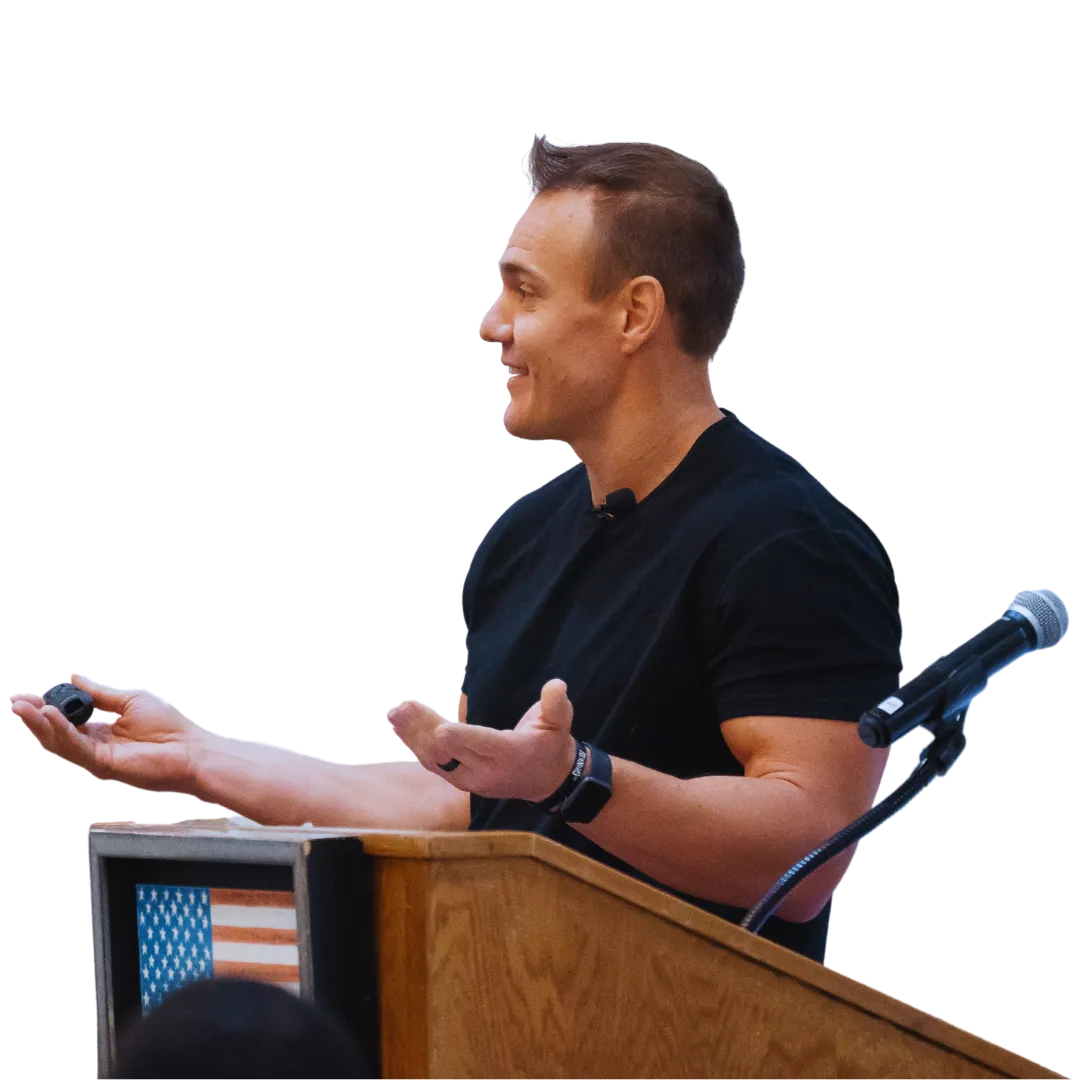
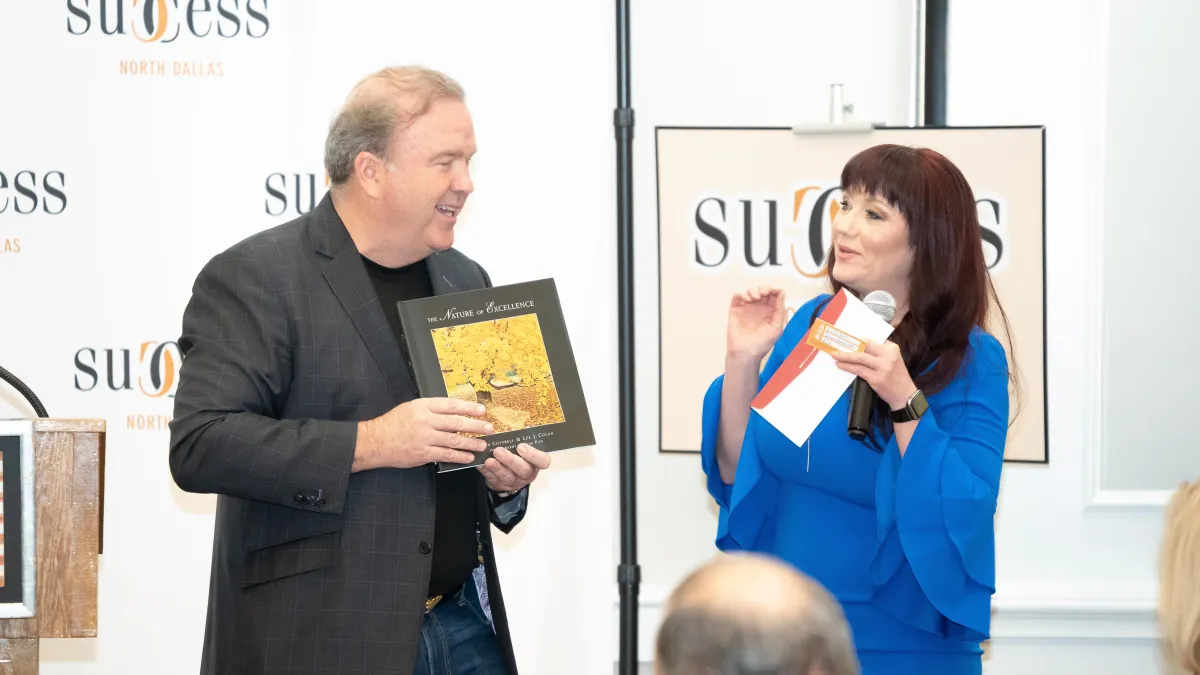
For over three decades, every third Wednesday has seen us come together–not just to network but to inspire and be inspired. Through the exceptional tales of our speakers from every corner of the globe, we weave networks of ideas, influence, and, most importantly, integrity.
OUR CORE ValueS AT SUCCESS NORTH DALLAS
BE SUCCESS IN YOUR OWN EYES
Define and achieve what success means to you personally, rather than adhering to others' expectations.
HONOR YOUR COMMITMENTS
Always follow through on what you've promised to others, demonstrating reliability and integrity.
BE A GIVER
Selflessly offer support and resources to fellow members, fostering an environment of mutual growth and success.
| Our Mission & Values
Here's Why You're A Perfect Fit
Simple. If you adeptly doodled your way through defining success, honor commitment as if it was your birthright, and possess an innate desire to uplift those around you, then you’re already one of us in spirit.
Connections that Count
We specialize in connecting the right people for the right reasons at the right time.
Growth Beyond Measure
Be it personal development, professional advancement, or spiritual enrichment, grow in ways you never thought possible.
Visionaries Welcome
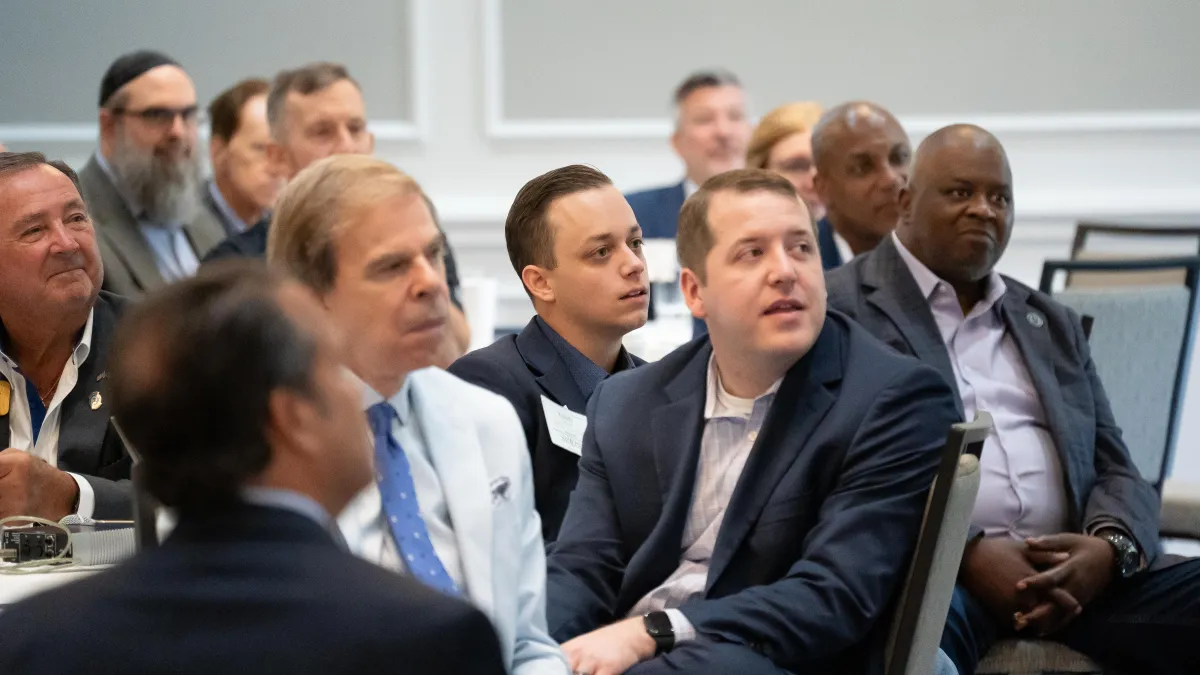
Hear from and interact with some of the most forward-thinking minds of our time.

explore our young executives membership
Under the age of 39? We've got something special for you! The Young Executives is a special interest group of young professionals established under the guiding principles of Success North Dallas who are passionate about connecting and engaging with other successful and ambitious individuals in the Dallas Metroplex.
| Partnerships
Highlighting Our Partner Members
Click on each partner member's logo below to learn more about their business.





| Testimonials
What Our Members Are Saying

“The most meaningful aspect of belonging to your wonderful organization was that I was kept informed and effectively networked at a time that was crucial for me not only professionally, but personally as well. You make a difference!”
Dana Fay - Seed Company
⭐⭐⭐⭐⭐
I just met a first time guest and future member at the last Success North Dallas Meeting. We connected and I wrote to him:
"Great to meet you today at Success North Dallas! We're excited to have you join the group. After our meeting, my dad (Jan Klodner) and I talked about how interesting it was that our introductions intersected with yours. This really highlights the spirit of SND - bringing people together with shared goals."
Jenny Goodwin
⭐⭐⭐⭐⭐
“The most meaningful aspect of belonging to your wonderful organization was that I was kept informed and effectively networked at a time that was crucial for me not only professionally, but personally as well. You make a difference!”
Dana Fay - Seed Company
sign up for our newsletter
Stay connected and never miss out on exciting events by subscribing to the Success North Dallas newsletter. Sign up today to receive the latest updates, meeting invites, and exclusive content tailored to fuel your success journey.
frequently asked questions
What opportunities are available for members living outside of Dallas?
Members residing 100 miles outside of Dallas have access to all regular SND meetings and 6+ Town Hall meetings annually. Additionally, they have the opportunity to attend 2 regular in-person meetings if they are in Dallas on the third Wednesday.
What topics are covered in the Town Hall meetings?
Town Hall meetings focus on current critical topics relevant to high-achieving professionals, aiding them in staying informed and engaged with pressing issues in their industries and beyond.
How does Success North Dallas foster a sense of community among its members?
Success North Dallas promotes a "give first" philosophy, encouraging members to share expertise, offerings, and relationships. It fosters the creation of informal boards of directors for collaboration and business counsel, and supports mentorship programs at local universities.
How can business speakers and thought leaders get involved with Success North Dallas?
Business speakers and thought leaders can feature on the platform provided by Success North Dallas. This opportunity allows them to share their insights, contribute to the community, and connect with other high-achieving professionals.
What kind of community outreach activities does Success North Dallas engage in?
Success North Dallas engages in various community outreach activities, allowing members to share their talents and resources for the greater good. These activities help members give back, enhancing the overall impact of the organization on the wider community.
What is the significance of "access" according to Success North Dallas (SND)?
Access, as emphasized by SND, is the key determinant of success in the business world. It goes beyond traditional qualifiers like credentials, pedigree, or accolades. Access represents the ability to tap into opportunities, knowledge, and influential networks, thereby transforming potential into tangible achievements. SND posits that access is the ultimate metric for gauging one's potential, advocating that it should be available to anyone, regardless of their background or status.
How does SND challenge traditional norms of success?
SND challenges the conventional emphasis on credentials, pedigree, or accolades as prerequisites for success. Instead, it promotes the revolutionary idea that access is the true measure of one's potential. SND believes that success is not about a list of achievements but the ability to unlock and harness opportunities. By setting standards such as being a success in one's own eyes, honoring commitments, and being a giver, SND urges individuals to recognize that access transcends traditional success metrics and offers a more inclusive route to achieving their goals.
What is SND's approach to inclusivity and opportunity?
SND adopts an inclusive approach by recognizing that true potential is not confined to academic qualifications or a resume filled with accomplishments. It opens its arms to individuals from diverse educational backgrounds and experiences, advocating that anyone, from anywhere, can gain the access needed to achieve their desired success. SND emphasizes that access serves as the force that dismantles traditional barriers, providing an environment where doors are open to all who dare to dream and aspire. This approach facilitates a level playing field where potential can flourish, making SND a beacon for inclusivity in the business world.
| Top Membership Benefits
Amplify Your Success With Us
Unlock your potential with exclusive access to networking, professional growth content, and personal development opportunities.

Knowledge
Insight and inspiration from prominent leaders from around the world

Connectivity
Weave networks together and share ideas with leaders of integrity

Relationships
Interactions with high-achieving professionals

Self Improvement
Current and relevant topics with immediate takeaways

Access
A magnet for highly-motivated individuals driven to hone their acumen

Advocacy
Accelerated emerging companies, authors, jobs, non-profits, entrepreneurs, & TV Series

Networking
Interactions with an average of 200 influential individuals each month

Nourishment
Monthly meetings and breakfast along with your first-time guests

Socialization
Invites to exclusive events in the North Dallas region
OUR MOTTO
Connecting the right people, for the right reasons, at the right time, since 1988.